Publisher: Guangzhou Chuangya Acoustics Technology Co., Ltd. Time: 9/12/2022 10:56:40 AM
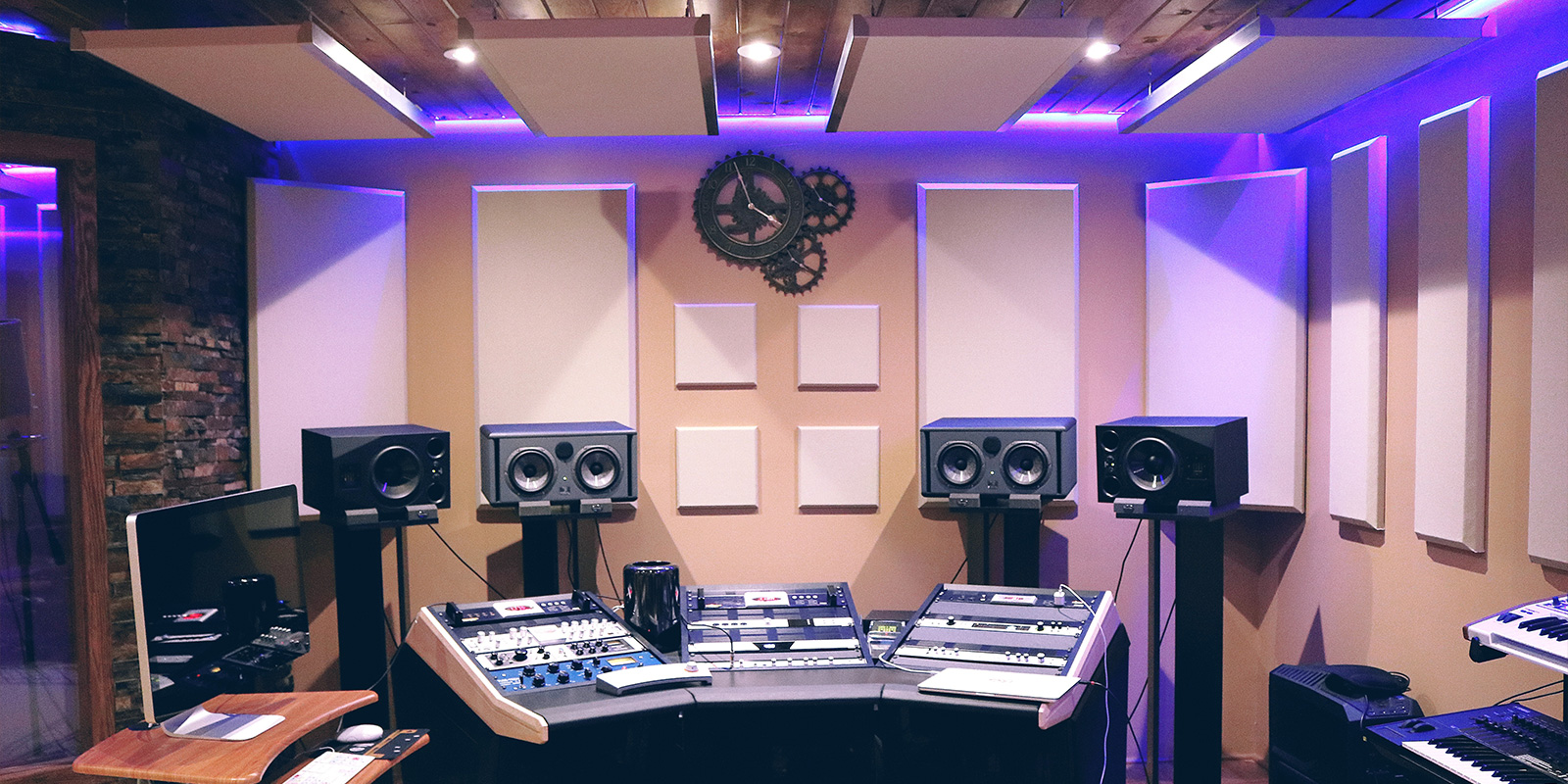
Performance buildings include various cinemas, theaters, theaters, audio-visual rooms, exhibition rooms, studios, recording studios and other multi-purpose hall buildings.
With the rapid development of economy and the continuous improvement of people's living standards, people begin to pursue spiritual sustenance and aesthetic pleasure after meeting the basic guarantee of material life, which is called spiritual life. In the continuous progress of society, more and more upper middle class people have emerged, most of whom are people who pursue high-quality consumption. The development of performance architecture has made the vast number of social groups enjoy better relaxation and enjoyment in today's society, where the pace of life is fast and the pressure of work is huge.
To build a comfortable performance architectural environment, not only the grand or gorgeous appearance, but also the indoor acoustic environment must be considered. The scope of performance architecture is relatively broad, and the following analysis will be made on the architectural sound design of some main sites.
The recording studio is also called the recording room. It is a special recording place built by people to create specific acoustic conditions for recording environment. It is a recording place for recording films, songs, music, etc. The acoustic characteristics of the recording studio play a very important role in recording production and the quality of products. People can classify them according to their needs, for example, according to the basic characteristics of the sound field, they can be divided into natural reverberation studio, strong absorption (short reverberation) studio, and active quiet end (LEDE) studio, or they can be divided into white studio, music studio, sound studio, mixed studio, etc. from the perspective of use.
The acoustic design specification requires that the sound quality of the recording studio is mainly "high language clarity and intelligibility, followed by good fullness". Under the main conditions of use, it has the reverberation time frequency characteristics corresponding to the pickup requirements, to suppress the acoustic defects that affect the pickup audio, such as echo, flutter echo, low-frequency buzz, etc. The recording studio uses short reverberation, and the appropriate reverberation time is selected according to the indoor volume, The frequency characteristic of reverberation time shall be straight. According to the above requirements; Acoustic technical indicators of the studio:
Acoustic index of recording room
|
Room name |
Reverberation time T60 (s) |
Sound insulation capacity of sound insulation door (insertion loss) (dB) |
Noise evaluation curve (NR) |
Sound insulation capacity of sound insulation window (sound transmission loss) (dB) |
Fast language transmission index (RASTI) |
| Recording studio | 0.4+0.1 | >35 | NR-30 | >50 | >0.65 |
1、Noise generation
The noise of the studio comes from many aspects. The existing noise from outside the recording studio can be mainly divided into two categories. One is the traffic noise from outside the recording studio buildings, such as passing vehicles, aircraft, etc; Another kind of noise comes from inside the building but outside the recording studio, such as loud conversation and noise during commuting; There is also internal noise from the recording studio, mainly from the air conditioning system, the light control system and the moving noise of the camera and the walking noise of the staff when the recording studio is working.
2、Noise propagation
The noise is transmitted into the recording studio mainly through three ways: first, the noise acts on the wall, floor and ceiling to generate vibration, radiating sound energy into the recording studio; Second, the sound is transmitted into the recording studio through the air through the gaps and unsealed holes left during construction; The third is to enter the recording studio through solid sound transmission through the wall, top, or rigid connection between the ground and the outside.
3、Noise control
The sound insulation problem of the studio is mainly the surrounding walls, windows and doors.
The following methods are mainly used for sound insulation of the above problems:
It mainly depends on the use of multi material composite sound insulation walls with different sound insulation quantities (multi damping light wall sound insulation) and external window sealing, which can basically isolate the impact of external noise on the recording studio; The doors that will enter and exit should adopt the national standard sound insulation doors made of composite materials.

 Contact
400-1593-886
Room 506, Huachang Center, Nanhai District, Foshan City, Guangdong Province
Scan the code and follow the WeChat public account

Add WeChat customer service